Press Release
Castor, Obernolte, Matsui Introduce Bipartisan Bill to Lower Electric Bills and Strengthen Grid ReliabilityThe ON-DEMAND Act would expand virtual power plants to help small businesses and homeowners save money
Washington, D.C.,
November 13, 2026
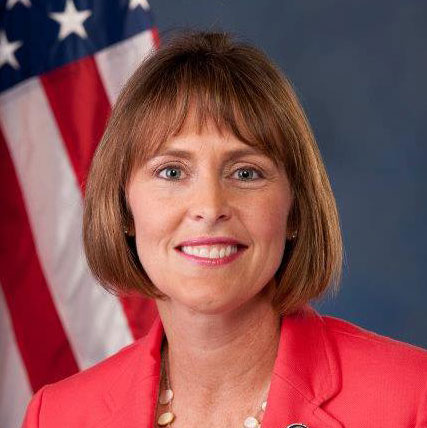
WASHINGTON, D.C. – Today, U.S. Rep. Kathy Castor (FL-14), Jay Obernolte (CA-23) and Doris Matsui (CA-07) introduced the Optimizing Networks for Distributed Energy Management and New Demand (ON-DEMAND) Act to help lower electric bills and meet growing energy demand. The legislation supports wider adoption of virtual power plants by directing the U.S. Department of Energy (DOE) to adopt standards, strengthen consumer protections and provide technical assistance to utilities, regulators and grid operators. “My neighbors need relief from sky-high electric bills, and we should be putting every practical solution to work to lower their costs,” said Rep. Castor. “Our ON-DEMAND Act would help communities use rooftop solar, batteries, and smart appliances more safely and effectively, with strong protections for consumers. As demand for electricity grows, we must make our grid more reliable and ensure the benefits of innovation reach the people paying the bills.” “As electricity demand continues to grow, innovative solutions like virtual power plants can help strengthen our electric grid and lower energy costs for American families,” said Congressman Obernolte. “The ON-DEMAND Act will help remove barriers to the adoption of this technology, allowing consumers to make better use of existing energy resources while improving grid reliability and reducing costs.” “Families in Sacramento and across the country are paying too much for electricity, and we need to do more to bring those costs down,” said Congresswoman Matsui. “The ON-DEMAND Act will help lower utility bills by making smarter use of the energy resources we already have, including home batteries and smart appliances, to meet growing electricity demand without driving up costs. This is a practical solution that puts money back in Americans’ pockets while building a cleaner, more reliable energy grid.” Virtual power plants coordinate devices across homes and businesses, such as batteries, smart thermostats, water heaters and rooftop solar systems, to help balance electricity supply and demand. For example, water heating could be shifted to a less busy time or battery power can be deployed during peak demand. View the full bill text HERE and section-by-section HERE. “Amid an unprecedented rise in energy demand, some of the most promising solutions are the distributed resources already in our homes and communities — rooftop solar, smart thermostats, and EV chargers — and the Virtual Power Plants (VPPs) that help them work together. From lowering bills for families to keeping the lights on, VPPs support a more flexible, affordable, and resilient electric grid. Advanced Energy United is proud to support the ON-DEMAND Act. We applaud the work of Representatives Castor, Matsui, and Obernolte to bring this bill to fruition and believe it will help unlock the benefits of VPPs for all Americans." – Dylan Reed, Managing Director at Advanced Energy United. “Energy security and economic growth depend on a resilient and efficient electric power system. Virtual power plants provide a proven, scalable way to deliver reliable, affordable power amid growing grid constraints,” said NEMA Senior Vice President of Government Affairs, Will Hupman. “By directing the Department of Energy to pursue open, stakeholder-driven processes for VPP standards development and other objectives, the ON-DEMAND Act promises to eliminate hurdles to VPP deployment and scaling, ushering in a new era of grid flexibility.” “The ON-DEMAND Act represents an important step toward modernizing America's electric grid and ensuring we can meet growing electricity demand affordably and reliably,” said John Pappas, Government Affairs Director for Siemens USA. “By addressing barriers to the deployment of virtual power plants, this legislation will help utilities unlock the full potential of distributed energy resources, improve grid flexibility, and make more efficient use of existing infrastructure. Establishing consistent standards and expanding technical assistance will help accelerate the adoption of innovative grid technologies and build a smarter, more resilient, and more affordable energy system.” "Leveraging customer-focused energy independent solutions like distributed power plants is essential to creating a more cost-effective, resilient and clean grid for all, particularly amidst the surging demand for electricity. The ON-DEMAND Act will help accelerate the customer-led revolution that's tackling these challenges head-on." – Mary Powell, CEO, Sunrun "Schneider Electric applauds the introduction of the ON-DEMAND Act and its support for the flexible energy resources needed to build a more resilient, reliable, and affordable grid. As electricity demand grows, flexibility will be essential to balancing supply and demand, improving grid performance, and empowering consumers. Virtual power plants are one important way to unlock that flexibility at scale, and we welcome policies that help accelerate their adoption." – Ruben Llanes, CEO, Digital Grid, Schneider Electric "Virtual power plants are important tools to add flexibility to the grid at a time of significant load growth," said Arnab Pal, executive director of Deploy Action. “We commend Reps. Castor, Matsui, and Obernolte for their bipartisan leadership to knock down barriers to virtual power plant deployment. This legislation will ensure states and regulators can more readily deploy technologies that we know lower costs for all Americans and contribute to grid flexibility." Endorsing organizations include Advanced Energy United, Deploy Action, Electricity Consumers Resource Council, Environmental Defense Fund, GridWise Alliance, Information Technology Industry Council, National Association of State Energy Officials, National Electrical Manufacturers Association, Rewiring America, Schneider Electric, Siemens USA, Sierra Club, and Sunrun. |