Press Release
Castor, Schakowsky Introduce Legislation to Modernize FTC and Strengthen Consumer Protections
Washington,
October 1, 2026
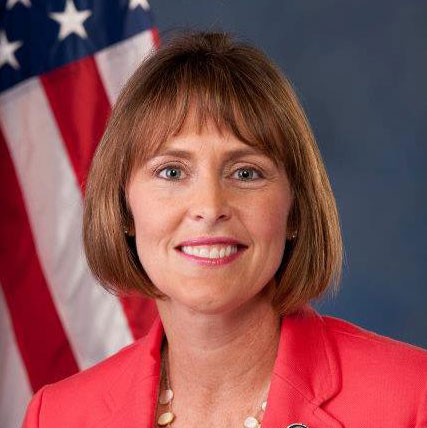
Castor, Schakowsky Introduce Legislation to Modernize FTC and Strengthen Consumer ProtectionsWASHINGTON – As new technologies, business practices, and online marketplaces create new ways for companies to take advantage of consumers, U.S. Representatives Kathy Castor (FL-14) and Jan Schakowsky (IL-09) are introducing legislation to ensure the Federal Trade Commission (FTC) has the tools and independence it needs to protect consumers in the modern economy. The 21st Century FTC Act, introduced by Rep. Castor, and the FTC Autonomy Act, introduced by Rep. Schakowsky, would strengthen the FTC’s ability to respond to unfair and deceptive practices and hold companies accountable when they harm consumers. “The current economic pain being inflicted on hardworking Americans shouldn’t be exacerbated by fraudsters and corporate wrongdoers. It’s imperative that corporations be held accountable when they take advantage of consumers,” said Rep. Castor. “The FTC is key to accountability, and the 21st Century FTC and FTC Autonomy Acts will strengthen the ability to act and restore civil penalties for first time offenses. I’m committed to restoring the FTC’s autonomy and authority, and I urge Congress to pass this important legislation.” “Companies are constantly finding new ways to take advantage of consumers, and the FTC needs the tools to keep up,” said Rep. Schakowsky. “I’m glad to be in this fight with Congresswoman Castor to make sure the FTC has the authority and independence it needs to protect consumers. We need an FTC that can keep pace with the modern economy, not one held back by outdated rules and unnecessary barriers.” The FTC is the federal government’s primary consumer protection agency, but outdated procedures and restrictions on its enforcement authority can make it harder for the agency to respond to emerging threats. The 21st Century FTC Act would give the FTC streamlined rulemaking authority under the Administrative Procedure Act and allow the agency to seek civil penalties for first-time violations of the FTC Act. These changes would help the FTC respond more effectively to emerging consumer harms and deter companies from engaging in unfair or deceptive practices. The FTC Autonomy Act would allow the FTC’s own attorneys to bring cases seeking civil penalties without first having to enlist the assistance of the Department of Justice. Removing this procedural barrier would allow the agency to pursue enforcement actions more efficiently and hold companies accountable. Together, these bills would give the FTC the modern tools it needs to protect consumers in a rapidly changing economy. As technology and business practices evolve, consumers should not be left vulnerable because federal consumer protection laws have failed to keep pace. The 21st Century FTC Act and FTC Autonomy Act would strengthen the FTC’s ability to set clear rules, respond to new consumer threats, and hold companies accountable when they cross the line. ### |